
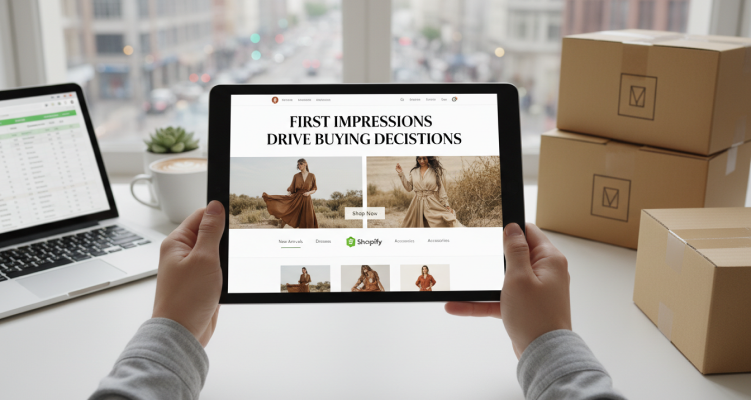
Shopify’s everywhere these days, and there’s a reason for that. It’s simple, secure, and flexible—pretty much everything you want from an eCommerce platform. Sure, their library of ready-made themes is huge. But let’s be honest: if you want your brand actually to stand out, those cookie-cutter templates only get you so far. That’s where "Shopify custom theme development" comes in. It’s about creating an online store that not only looks unique but also feels like your brand and speaks to your customers.
What Do We Mean by Shopify Custom Theme Development?
Custom theme development on Shopify means you’re either building a theme from the ground up or seriously overhauling an existing one. You’re in the weeds with Liquid, plus all the usual suspects—HTML, CSS, JavaScript, and Shopify APIs. Unlike off-the-shelf themes, a custom build revolves around your brand’s identity, what you want your website to do, and how you want it to perform. You control everything—the layout, design details, and the way customers experience your store.
Why Go Custom? Here’s What You Get
First, you get to look different. Your own theme means you can tweak every layout, color, and font until the branding feels just right. That consistency builds trust, and people remember you.
Custom themes also scale with you. As your business grows, you can bolt on new features or integrations without running into the walls that come with generic themes. Flexibility like that turns your site into a long-term asset, not just a short-term fix.
Getting to Know Shopify Liquid and Theme Structure
Liquid is at the center of everything. It’s Shopify’s open-source templating language that lets you pull in product data, collections, customer info, and store settings—all on the fly. If you want to build a theme that’s both clean and easy to update, you need to understand Shopify’s architecture: layouts, templates, sections, snippets, and assets.
Designing for Real People
Custom theme development isn’t just about making things pretty. It’s about UX and UI—giving shoppers a site that makes sense. Smooth navigation, easy product discovery, and a checkout process that doesn’t make people want to tear their hair out. Developers can fine-tune every screen for different customer journeys, craft custom product pages, and make sure everything looks great on mobile. That all adds up to more sales and fewer people bouncing away.
SEO and Performance: Built In
When you go custom, SEO isn’t an afterthought. Developers can set up clean code, well-structured headings, schema markup, and lightweight assets. Performance-wise, you get tricks like lazy-loading images, trimming down scripts, and keeping the DOM lean. All of that improves your Core Web Vitals and boosts your search rankings.
Integrations and Extra Features
A custom theme doesn’t lock you out of anything. You can plug in third-party apps, payment gateways, marketing tools, and your own custom APIs. Want advanced filters, dynamic pricing, subscriptions, or multilingual support? No problem. These tailored features make shopping easier and help your store fit your business—exactly the way you want.
The Bottom Line
If you want an eCommerce store that’s truly yours—something high-performing, flexible, and ready to grow—Shopify custom theme development is the way to go. You get full control over every detail, from how it looks to how it works. Whether you’re starting fresh or revamping your current shop, investing in a custom theme gives you the edge you need actually to compete online.








Write a comment ...